
Netivei Ayalon · Transport Model QA
Beer Sheva Model Validation
How I built an AI-native system to reconstruct, validate, and package a complete transport model output — and ship it as a production tool to the customer.
Follow the storyThe question
From Raw Model Output to a Validated, Packaged Deliverable
Transport model outputs are complex — dozens of tables, thousands of rows, multiple time periods. Manually checking them against targets takes weeks and is error-prone. I built a system that does it automatically, and ships as a ready-to-use tool.
The approach / 01
The system reads raw model outputs — road network assignments, transit ridership, route data — and reconstructs each required report table using the exact formulas from the model's specification document.
The approach / 02
Each reconstructed table is automatically compared against the official target. The system flags every mismatch — missing rows, extra rows, value differences above tolerance — and produces a detailed diff report.
The approach / 03
A professional Streamlit dashboard lets an analyst review any table, switch between time periods (AM, off-peak, PM), filter by match status, and inspect individual cell-level differences with smart color coding.
The approach / 04
The entire system was packaged as a standalone deliverable and handed to the customer — including all inputs, scripts, GUI, and documentation — so they can run it independently at any time.
The evidence
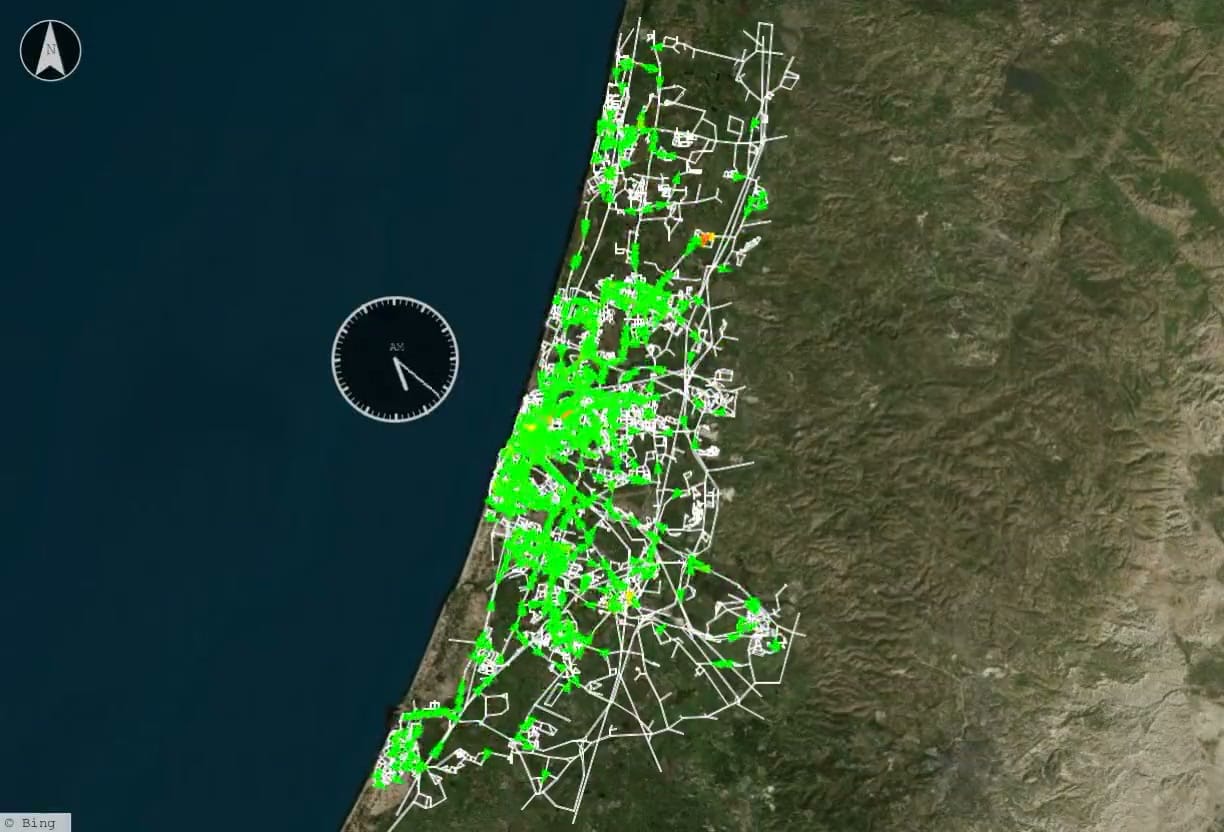
The System in Action
A walkthrough of the reconstruction dashboard and validation interface.
The approach
Built AI-Native
The reconstruction engine, test suite, GUI, and packaging workflow were all built using AI-native development with Claude and Codex. Not just code generation — full-cycle development: architecture design, iterative implementation, automated testing, and production hardening. This is the workflow I teach.
Why It Matters
From evidence to a decision.
Transport model validation is a legal and contractual requirement before major infrastructure decisions. A system that does it automatically — and produces a paper trail — replaces weeks of manual analyst work and eliminates the risk of undetected errors in the outputs that decision-makers rely on.
You can't approve a model you can't verify. This system makes verification fast, repeatable, and transparent.Get in Touch
The next perspective
BRT Corridor Analysis
Agent-based Pink Line corridor simulation, powered by Replan.
Explore case studyAll projects